

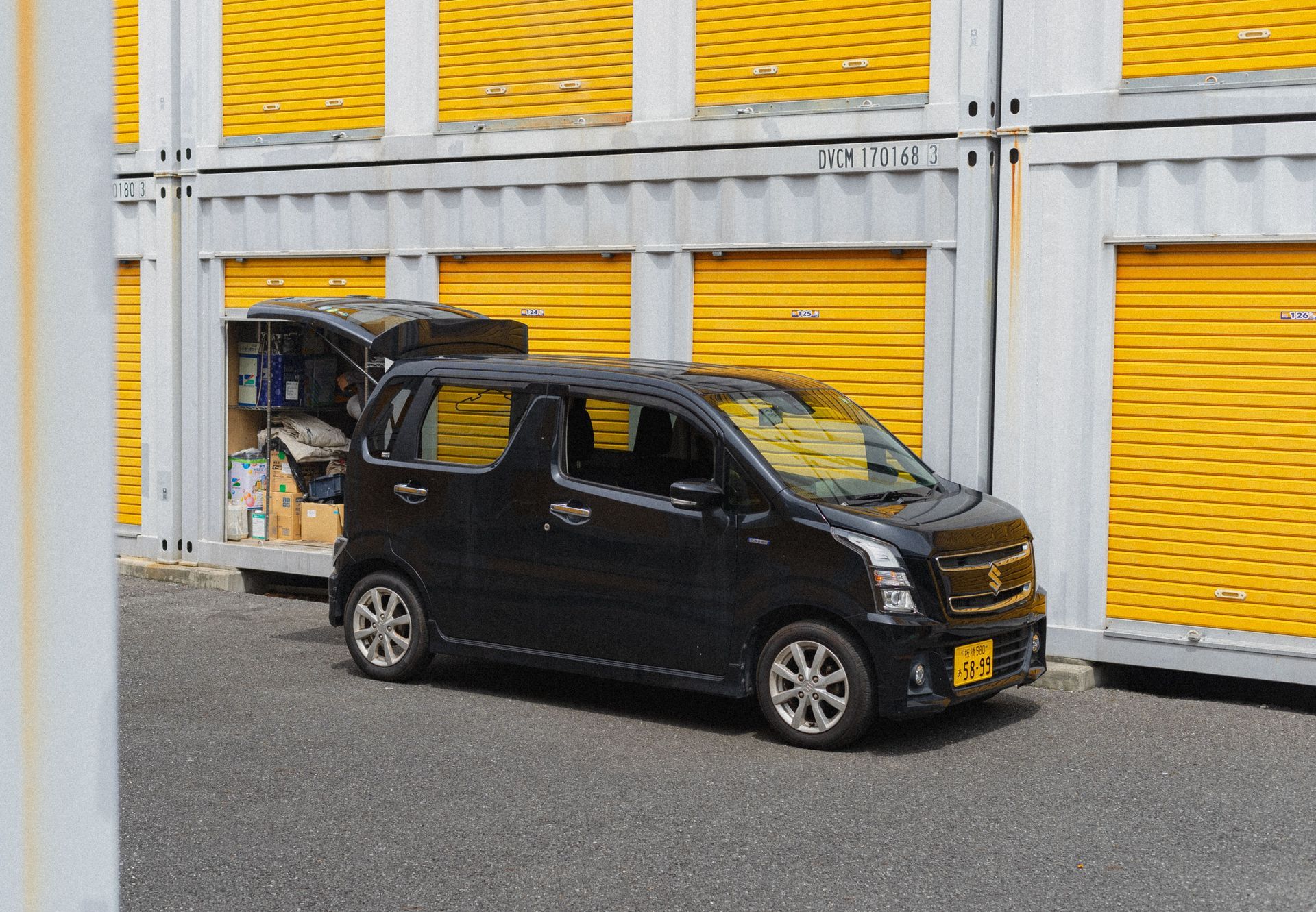
Compare 5x5, 5x10, 10x10, and 10x20 storage units, learn what fits in each size, and narrow down the right amount of space for your belongings.
We’re making storage a unique, friendly and easy experience at Apple Self Storage on Highway 27 in Woodbridge . This facility is designed with one goal in mind: to be genuinely pleasant for the people who use it. You'll find it at 7845 Highway 27, in a spot that's simple to reach whether you're coming from Vaughan, Kleinburg, or anywhere across the Woodbridge area. With Highway 27 right there, swinging by to drop something off or grab what you need fits neatly into your day instead of eating up your afternoon. Climate Controlled Storage, Top to Bottom This facility offers a huge range of climate controlled units, which means your belongings stay in a steady, comfortable environment no matter what the weather is doing outside. That matters more than people realize. Ontario weather runs the full gauntlet, from humid summers to frigid winters, and that constant back and forth is rough on a lot of the things we store. Wood furniture, electronics, photos, paperwork, instruments, and seasonal clothing all hold up far better when they're kept in a stable space. You can store the things you actually care about and trust they'll be in great shape whenever you come back for them. A Size for Every Need One of the best parts about a facility this size is the sheer range of unit options. Spaces start small, around a tidy 5x5 that's perfect for a few boxes, seasonal gear, or the clutter that's been crowding a closet at home. From there they climb steadily upward through dozens of sizes, all the way to large units like a roomy 30x15 that can handle the contents of an entire house. That range means just about anyone can find the right fit. A growing family clearing out the basement, a homeowner mid-renovation, a small business storing inventory or records, someone downsizing, or a household between moves all have a spot that works. And because there are so many sizes in between, you're not stuck paying for room you don't need or squeezing into something too tight. You get the space that actually matches your situation. One feature that sets our facility apart: a dedicated loading bay. Instead of wrestling boxes across a parking lot in the rain or balancing furniture on a curb, you can pull in, unload in a sheltered, purpose-built space, and move your things inside comfortably. And if you realize halfway through that you're short on boxes, tape, or wrapping, you don't have to run across town. Moving supplies are available right on site, so you can grab what you need and keep the momentum going. Little conveniences like that are what make a modern facility feel like it's genuinely on your side. Security That's Personal Peace of mind is a big part of why people choose storage in the first place, and this facility takes it seriously. Every tenant gets a unique pin code for access, so entry is controlled and tied to you specifically. That personal layer of access control means you can leave your belongings here and get on with your life, confident that the only people coming and going are the ones who are supposed to. Access That Works Around Your Schedule Access hours run daily from 6:00 am to 10:00 pm, which gives you a wide, flexible window to come and go. Early birds can swing by before work, and night owls can stop in after dinner. Either way, getting to your unit fits your routine. If you'd like a hand from the team, the office is open Monday through Friday from 9:00 am to 6:00 pm and Saturday from 9:00 am to 5:00 pm. The office is closed on Sundays and holidays, but with access hours that generous, reaching your things is never a hassle. A Fresh Start for Storage in Woodbridge What makes this new facility special is how it all comes together. Wall-to-wall climate controlled units, a sheltered loading bay, on-site moving supplies, personal pin code access, and a huge spread of unit sizes add up to a storage experience that feels modern, secure, and refreshingly easy. If you've been waiting for storage in Woodbridge that's actually built around you, the team at Apple Self Storage on Highway 27 is ready to welcome you in.