
Don’t Fold It and Forget It: A Better Way to Store a Rug
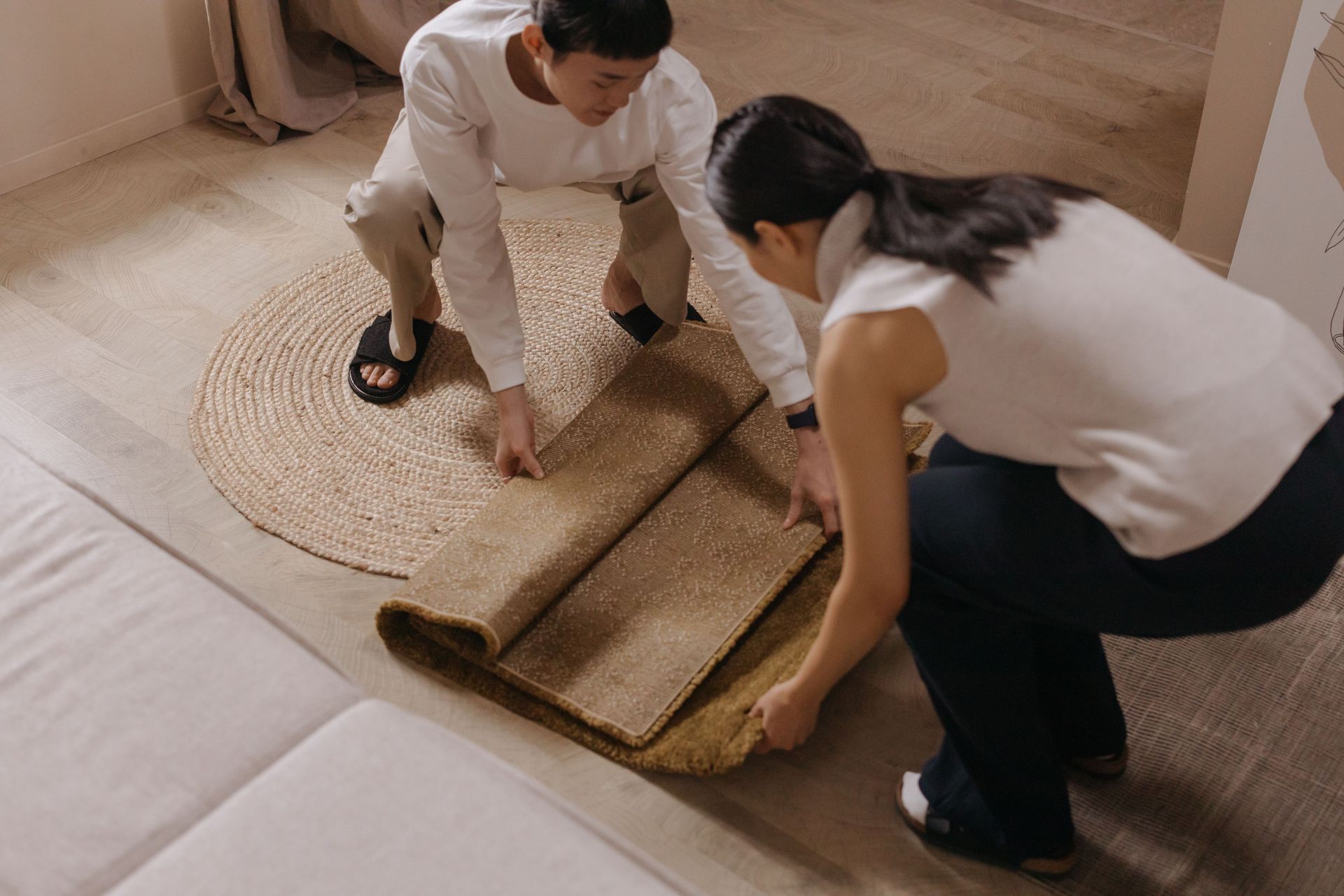
A rug looks easy to store until you try to fit one around furniture and boxes. Folding it into the smallest possible bundle may save space initially, but long-term rug storage calls for more care, especially when the piece is valuable, delicate, or difficult to replace. If you’re clearing a room before moving or changing how you use your home, you can compare our storage options in Nova Scotia. Exact unit sizes and features differ among Apple Self Storage properties. For most rugs suitable for rolling, the better approach is to clean and dry the rug first, roll it around suitable support, protect it from dust, and store it without placing heavy objects on top.
Clean the Rug Before It Goes Into Storage
Start by checking the rug’s care instructions. Construction and fibre type matter, and a cleaning method that works for one rug may be unsuitable for another. Remove loose dirt using a method appropriate for the rug, and arrange professional cleaning when the material or condition calls for it. A valuable handmade, antique, damaged, or unusually delicate rug deserves specialist advice rather than experimental cleaning at home.
Inspect It Before You Roll It
Once the rug is clean and dry, look over both sides before packing it away. Check for existing tears, loose areas, staining, pest activity, or other damage. This gives you a record of the rug’s condition before storage and prevents an existing issue from disappearing inside a roll for months. If you see mould or signs of pest activity on an important textile, isolate the affected item and address the problem before storing it with other belongings.
Rolling Usually Makes More Sense Than Folding
For many rugs and carpets that are structurally sound enough to be rolled, rolling avoids the sharp creases created by folding. It also warns that ordinary cardboard tubes contain acidic materials, so important textiles require an appropriate barrier or an archival-quality tube. The support should extend beyond the width of the rug so its edges aren’t taking the load. Not every rug should be rolled. Pieces with fragile areas, detached material, stiff decoration, or other structural problems may require flat storage and professional conservation advice.
Don’t Make the Roll Too Tight
A rug doesn’t need to be compressed into the smallest possible cylinder. Roll it evenly and give the material enough support to avoid sharp bends. Keep the edges aligned as you work. If the rug starts drifting sideways, correct it rather than forcing the finished roll into shape afterward. Large rugs are heavy and awkward, so use another person when necessary. Trying to control a heavy textile alone creates an unnecessary risk to both the rug and the person moving it.
Use a Suitable Protective Cover
A cover protects the rug from dust and incidental contact while it sits in storage, but the materials matter more for valuable textiles. For conservation storage, use stable materials such as prewashed cotton coverings, acid-free tissue, polyethylene sheeting, and other archival materials depending on the textile and storage method. Ordinary household rugs don’t necessarily require a museum-conservation system, but avoid packing a rug while it’s damp or sealing an existing moisture problem inside the wrapping. Label the outside once the rug is covered so you can identify it without opening the package.
Store the Rug Without Crushing It
Once rolled and protected, put the rug where boxes and furniture won’t be stacked on top of it. A rolled rug may look sturdy, but that doesn’t make it a structural support. The storage arrangement should keep the rug stable and prevent it from being bent around other belongings. Think about retrieval too. A long rug placed behind every piece of furniture in the unit will be difficult to remove later. This becomes particularly important during a delayed move. Our article on what to do when a move-in date gets delayed discusses how temporary storage can bridge the gap when household belongings can’t go directly into the new home.
Make Space Before Moving Other Furniture In
If a rug is part of a larger room-clearing project, decide where the rolled rug will go before loading bulky furniture. Long pieces are easier to position in an empty unit than after sofas, dressers, and stacks of boxes have already filled the floor. Measure the rolled rug as well as the space you intend to use. Keep it away from anything likely to press against, snag, or soil the wrapping. A little planning during move-in can save a lot of rearranging later.
Rugs Can Be Part of a Bigger Room Reset
Sometimes a rug goes into storage because the entire room is changing. A move, renovation, downsizing project, or newly repurposed bedroom may leave good furniture and textiles without an immediate place in the house. If you’re reconsidering a room after a child moves out, our guide to transforming a spare bedroom has ideas for deciding what stays in the room and what can move elsewhere. Storage works best in that situation when it’s intentional. Label the rug, record what you stored, and avoid turning the unit into a permanent pile of unidentified household items.
Check Valuable Rugs Periodically
For an ordinary machine-made rug stored for a relatively short period, careful preparation may be all you need. Valuable or delicate rugs deserve more attention. If the rug has significant monetary, historic, artistic, or sentimental value, consult a qualified textile or rug specialist about the correct orientation, support, wrapping material, and storage environment for that specific piece. Textiles are sensitive to factors including incorrect temperature, humidity, light, pests, pollutants, and physical forces. Long storage periods increase the importance of getting those conditions right. Compare all our storage options in New Brunswick and check if our units match the size and features you’re looking for to store your rugs.
Store the Rug With Its Shape in Mind
The main mistake with rug storage is treating a large textile like an ordinary box. Clean it, make sure it’s dry, inspect its condition, and roll it with suitable support when the construction and condition allow. Then place it where other belongings won’t crush or bend it. For a larger household storage project, you can
explore our
storage options in Ontario. Check the specific facility before renting so the available unit dimensions and features fit the belongings you plan to store.